
For anyone concerned about heart health, Dasgupta recommended decreasing alcohol intake and increasing physical activity, which also raises good heroin addiction cholesterol. “The bottom line is, protect the heart with a low amount of alcohol, but increase the risk of cardiovascular disease with high amount of alcohol,” Dasgupta said. Cirrhosis of the liver (severe scarring of the liver) can occur over time in those who drink excessively. The prognosis (outlook) for someone with alcohol withdrawal depends greatly on its severity.

Increases Libido
You should also be feeling more confident in your new sober lifestyle and taking advantage of all the opportunities that are now available to you. At six months of sobriety, you should start to notice significant improvements in physical and mental health. Your energy levels will be higher and any long-term conditions caused by drinking should have started to improve.
- Symptoms can range from headache, elevated blood pressure, heart palpitations, and nausea and vomiting to tremors, hallucination and in severe cases death.
- After one week without alcohol, your risk of seizures is much less.
- While there are some short-term withdrawal effects, the long-term benefits are well worth the effort.
- The responses to comments on fitrecovery.com are designed to support, not replace, medical or psychiatric treatment.
- Alcohol withdrawal can range from very mild symptoms to a severe form, known as delirium tremens.
- Alcohol withdrawal can occur shortly after the last drink is consumed and typically peaks within hours after a period of heavy drinking.
Quitting Alcohol Timeline: Alcohol Withdrawals in the First 72 Hours
Your sleep patterns may improve, and you may have more energy and a better mood. It’s important to celebrate these victories and continue to stay vigilant against relapse. As the first day progresses, you may start to experience withdrawal symptoms such as headaches, nausea, and irritability. These symptoms can vary in intensity depending on the severity of your alcohol use. It’s https://nutorg.com/2024/09/11/fssa-dmha-recovery-works-recovery-residences/ important to stay hydrated and seek medical attention if you experience severe symptoms. In the worst case scenario, seizures and delirium tremens (DTs) are the most severe and potentially life-threatening risks of suddenly quitting alcohol.
Health News
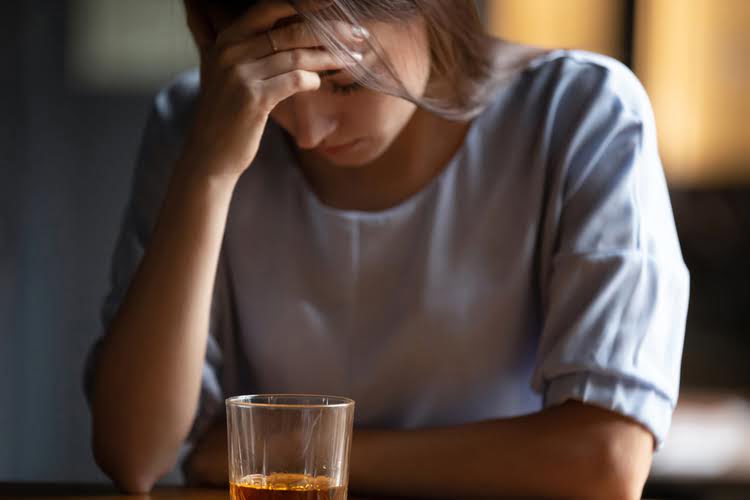
Alcohol withdrawal can be dangerous and potentially life threatening for people who excessively drink. Medical supervision is advisable when stopping alcohol after prolonged heavy use. At this point, even heavy drinkers may notice they’re better at fighting infections and feel healthier overall. One month of abstinence, insulin resistance – which can lead to high blood sugar – significantly reduces by 25 per cent. Blood pressure also reduces (by 6 per cent) and cancer-related growth factors declines, lowering your risk of cancer.

- The answer is that you will notice changes right away when you quit drinking and will continue to notice changes for months to come.
- Support groups like Alcoholics Anonymous (AA) or SMART Recovery for peer encouragement also exist to help you.
- Research shows that some damage to your brain, liver, heart, and gut done by alcohol will slowly heal when you stop drinking.
Probably not, but with almost 3 weeks of sobriety behind you, you may feel – and even look – rejuvenated. Often our skin improves as a result of cutting alcohol out of our lives, including what happens after you stop drinking alcohol fewer bags under our eyes. It’s likely the past few days have been challenging as your body is healing from the effects of alcohol. There may be some thoughts like “do I really have to do this for 25 more days!? ” Remember that it will get easier, and you only have to get through one day at a time. Social gatherings may seem like too much right now, and it’s okay to give yourself some extra rest and time to heal.